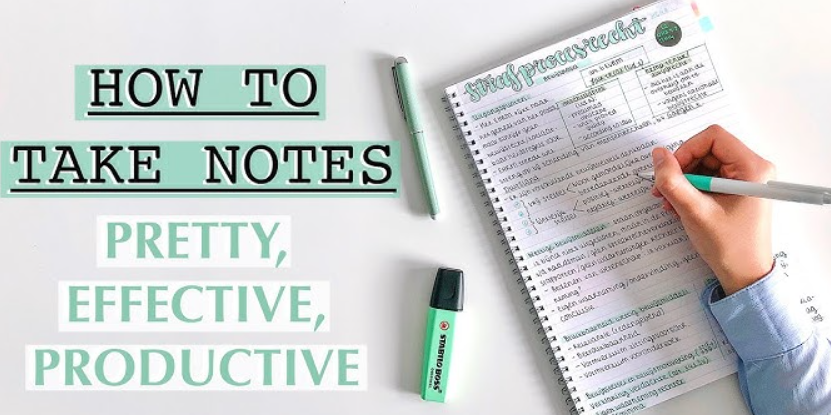
Many students study regularly but still forget what they learned after a few days. One of the biggest reasons for this problem is poor note-taking. Writing notes is not just about copying from books—it’s about understanding, organizing, and remembering information.
In this guide, you’ll learn how to take notes properly for long-term learning, using simple methods that actually work for exams and real understanding.
Why Proper Note-Taking Is Important
Good notes help you:
- Understand topics clearly
- Remember information for a long time
- Revise quickly before exams
- Stay organized
- Reduce study stress
Bad notes waste time and confuse you during revision.
Common Note-Taking Mistakes Students Make
Before learning the right way, avoid these mistakes:
- Copying everything from the book
- Writing long paragraphs
- No headings or structure
- Never revising notes
- Making notes without understanding
What You Need for Effective Note-Taking
📋 Note-Taking Requirements Table
| Requirement | Purpose |
|---|---|
| Notebook / digital app | Organizing notes |
| Pen (2–3 colors) | Highlighting |
| Clear understanding | Better summaries |
| Regular revision | Long-term memory |
| Focused mind | Quality notes |
Step-by-Step Guide to Take Notes Properly
Step 1: Understand Before Writing
Never write notes without understanding the topic.
- Read the topic once
- Understand the concept
- Then write in your own words
👉 Notes written in your own language are easier to remember.
Step 2: Use Headings and Sub-Headings
Always divide notes into sections.
Example:
- Main topic
- Definition
- Key points
- Examples
This structure makes notes easy to revise.
Step 3: Keep Notes Short and Simple
Avoid long sentences.
Instead of:
Photosynthesis is the process by which green plants…
Write:
- Photosynthesis = food-making process in plants
- Uses sunlight, water, CO₂
Short points improve clarity and memory.
Step 4: Use Bullet Points and Numbering
Bullet points make notes clean and readable.
Best practice:
- One idea = one line
- Use numbering for steps
- Use bullets for facts
This reduces confusion during revision.
Step 5: Use Diagrams, Charts, and Tables
Visual notes are remembered better than text.
📊 Example: Text vs Visual Notes
| Method | Memory Level |
|---|---|
| Only reading | Low |
| Writing notes | Medium |
| Diagrams & charts | High |
Use:
- Flowcharts
- Mind maps
- Tables
Step 6: Highlight Important Points
Use colors smartly.
Color usage tips:
- Blue/Black → main text
- Red → keywords
- Green → definitions
Avoid using too many colors.
Step 7: Leave Space for Revision
Always leave some space in your notes.
Why?
- Add extra points later
- Correct mistakes
- Write examples
Notes improve over time.
Best Note-Taking Methods You Can Use
1️⃣ Cornell Method
- Divide page into 3 parts
- Notes, keywords, summary
- Best for theory subjects
2️⃣ Mind Mapping
- Central idea in the middle
- Branches for sub-topics
- Best for quick revision
3️⃣ Outline Method
- Headings and sub-points
- Simple and clean
- Best for beginners
Digital Notes vs Handwritten Notes
📝 Comparison Table
| Type | Advantages | Disadvantages |
|---|---|---|
| Handwritten | Better memory | Slower |
| Digital | Easy to edit | More distraction |
👉 For exams, handwritten notes are usually better.
How to Revise Notes for Long-Term Memory
- Revise within 24 hours
- Revise again after 1 week
- Teach notes to someone
- Rewrite short summaries
Revision turns notes into memory.
Tips to Make Notes More Effective
- Make notes daily
- Don’t aim for perfection
- Use simple language
- Update notes regularly
- Keep notes organized by subject
Common Mistakes to Avoid
❌ Writing notes without understanding
❌ Making notes too long
❌ Never revising
❌ Mixing multiple subjects
❌ Untidy handwriting
Frequently Asked Questions (FAQs)
Q1. Should I make notes from every chapter?
Yes, but focus on important topics and concepts.
Q2. Are digital notes good for students?
They are useful, but handwritten notes help memory more.
Q3. How long should notes be?
Notes should be short, clear, and easy to revise.
Conclusion
Proper note-taking is a powerful study skill. When you write notes in your own words, keep them structured, and revise regularly, your learning becomes faster and long-lasting.